
Filter
Showing 3 of 3
MORE WAYS TO EXPERIENCE SVANETI HIKING
SVANETI RESTAURANTS
Where to Eat
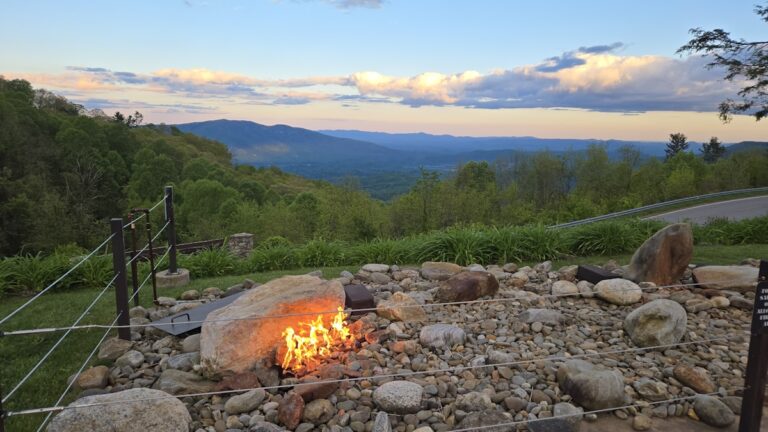
The food situation in Svaneti is straightforward — most meals are eaten at the property where you are sleeping, and that is…
See the guide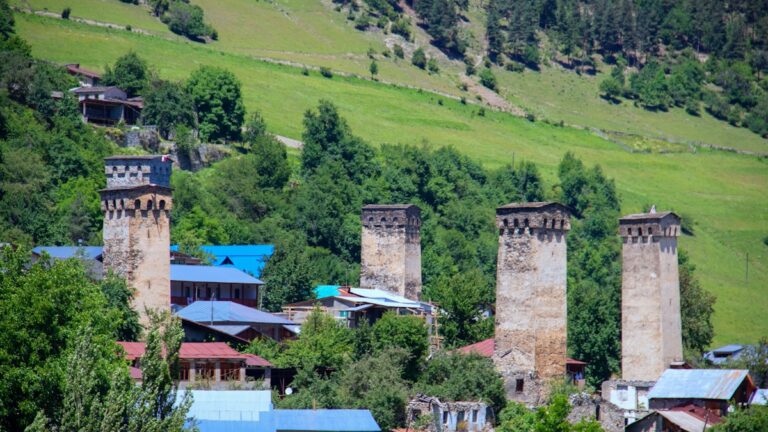
SVANETI GUESTHOUSES
Where to Stay
The places to sleep in Svaneti are almost all family-run, and most operate on a full-board model — you pay for the…
See the guideRead more Show less
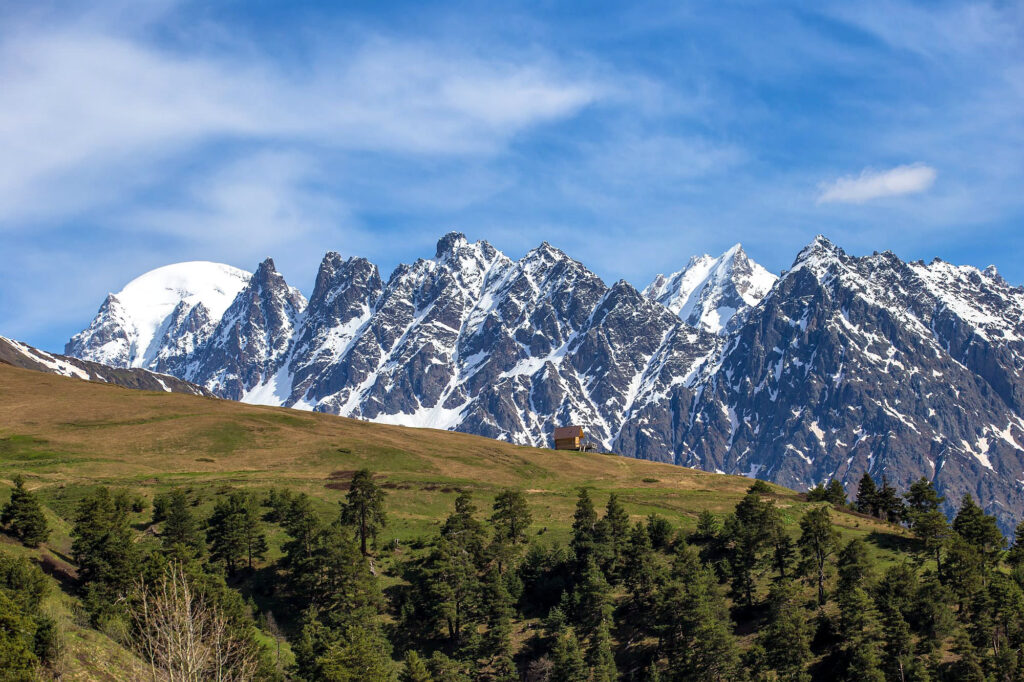
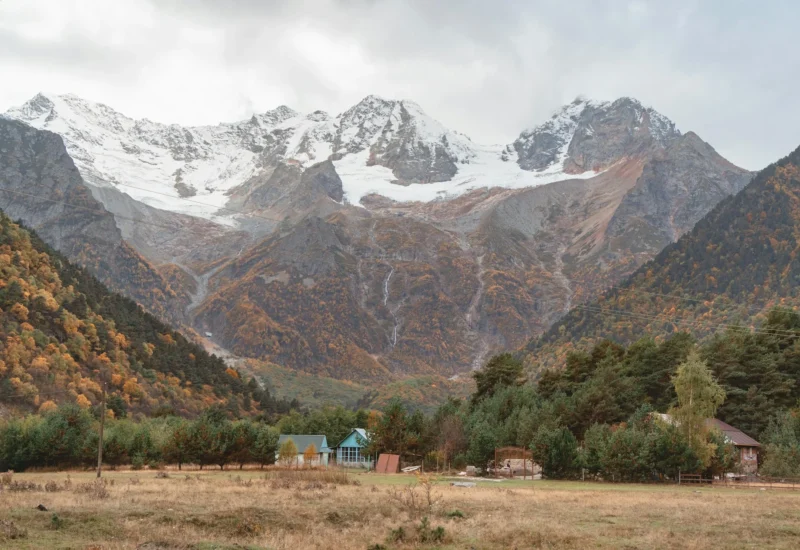
What makes the region stand out is the combination of high mountains and living villages. Trails pass stone defensive towers, grazing meadows, and hamlets that have been inhabited for centuries, all set against some of the highest peaks in the Caucasus. You get serious alpine scenery without having to commit to a multi-day expedition.
Glacier Walks and Alpine Lakes
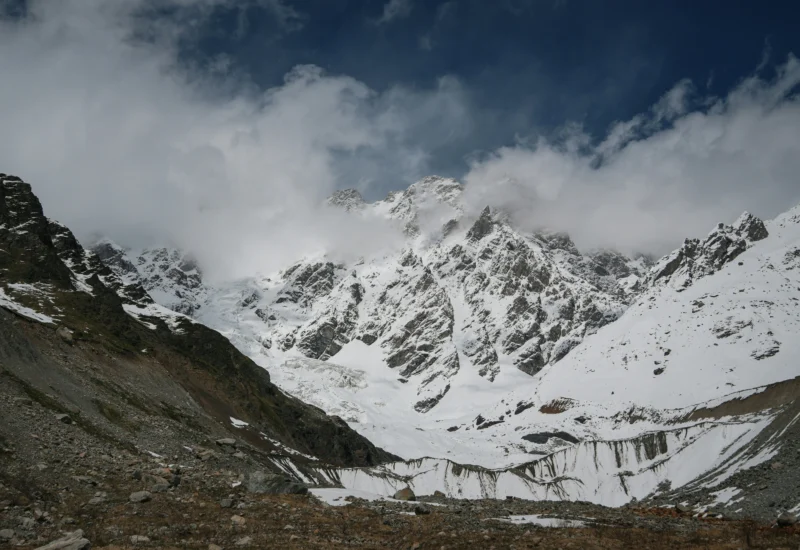
Beyond the shorter routes, Svaneti is known for its glacier approaches and high alpine lakes. Several trails lead to viewpoints beneath hanging glaciers or up to ridgelines where the panorama opens onto Georgia's tallest summits. These walks tend to involve sustained ascent and loose ground higher up, and a few include short sections of scree or snow that linger well into summer.
Most of these are still achievable as long day hikes from Mestia or the nearby village of Mazeri, which means you can reach dramatic high-mountain terrain and be back in a guesthouse by evening. Waymarking is decent on the main routes, but an offline map is worth carrying once you leave the well-trodden paths.
When to Hike in Svaneti
The trekking season in Svaneti runs from roughly June to early October. July and August are the warmest and busiest months, with the most reliable weather for higher routes, while September brings quieter trails and clear autumn light. Early in the season, snow can still block the highest passes and lakes, so it is worth checking conditions locally before committing to an exposed route.
Weather in the high Caucasus changes fast, and afternoon cloud is common even on clear mornings. Starting early, carrying layers, and building in a buffer day gives you the best chance of good conditions on the trails that matter most.