
MORE WAYS TO EXPERIENCE TUSHETI HIKING
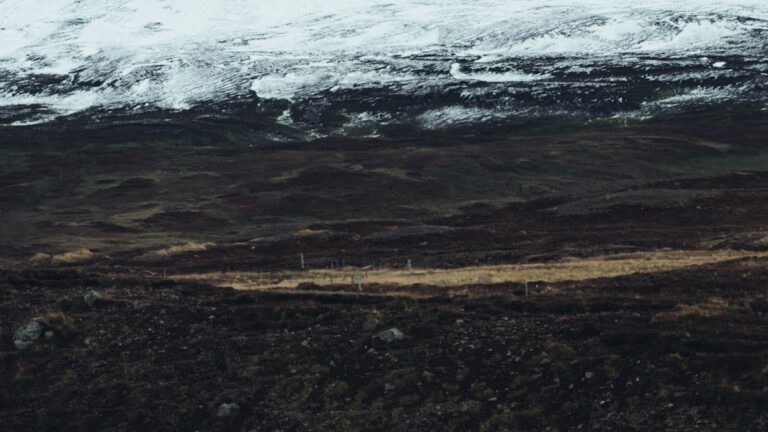
Eating in Tusheti is almost entirely a household experience. There are no standalone restaurants in the mountain villages, and no shops beyond…
See the guide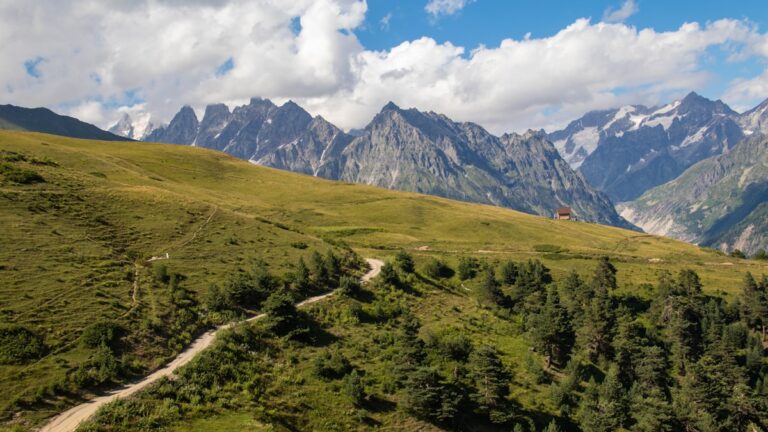
Staying in Tusheti means staying in village homes — there are no hotels, no hostel dorms, and no lodges outside the family…
See the guideRead more Show less
This is committing terrain. The longer treks involve multiple days, wild camping, and sections where you are a long way from help, so they suit prepared, experienced walkers. Parts of the region sit close to the border, and some routes require a passport for border-police checks along the way.
Village-to-Village Trails
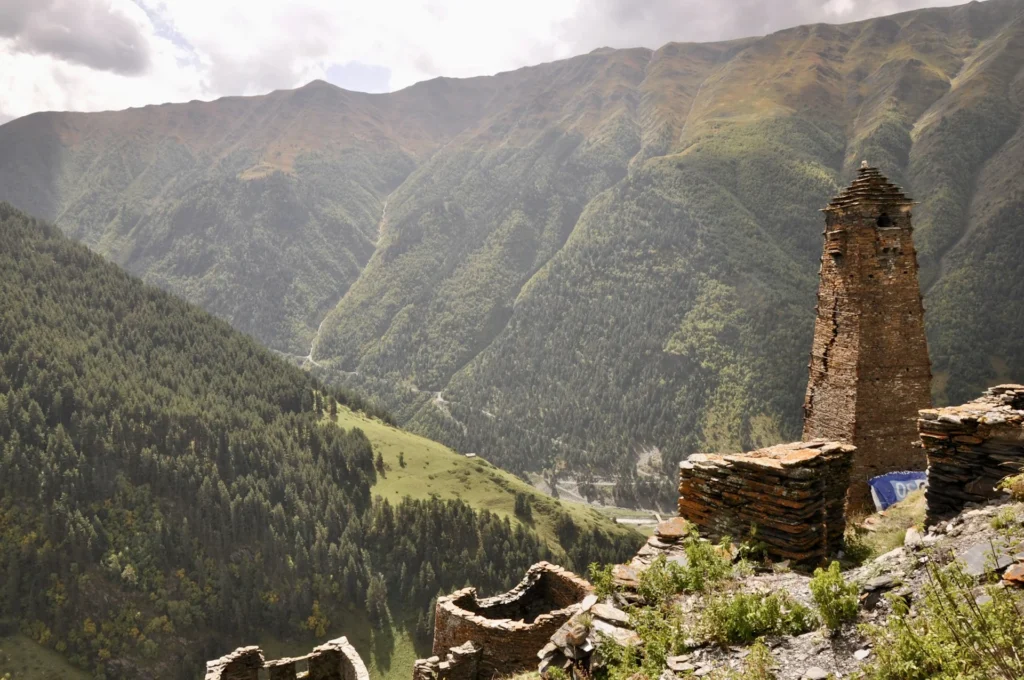
Not all walking in Tusheti demands a multi-day expedition. From Omalo, the main settlement, shorter trails link the fortified villages that give the region its character — stone towers, slate-roofed houses, and hamlets perched above deep valleys. These village-to-village walks can be done as day hikes, staying in family guesthouses each night rather than carrying a tent.
Walking between settlements is one of the best ways to experience Tushetian life, with local food and rooms available in the villages along the way. It offers much of the region's scenery without the full commitment of the high passes.
Getting There and the Hiking Season
Access defines any trip to Tusheti. The only road in crosses the Abano Pass, an unpaved 4×4 route that is typically open from around June to September and closed by snow the rest of the year. There is no public transport, so reaching Omalo means a shared jeep and an experienced local driver for the mountain road.
That narrow seasonal window shapes the hiking calendar. Early in the season snow can still block the highest passes, and conditions change fast even in summer. Phone signal is unreliable on the pass and on the trails, so carry an offline map, inform your guesthouse of your plans, and build in a buffer day for weather. The trail guides below cover the routes and what to expect from each.