
Where to Hike
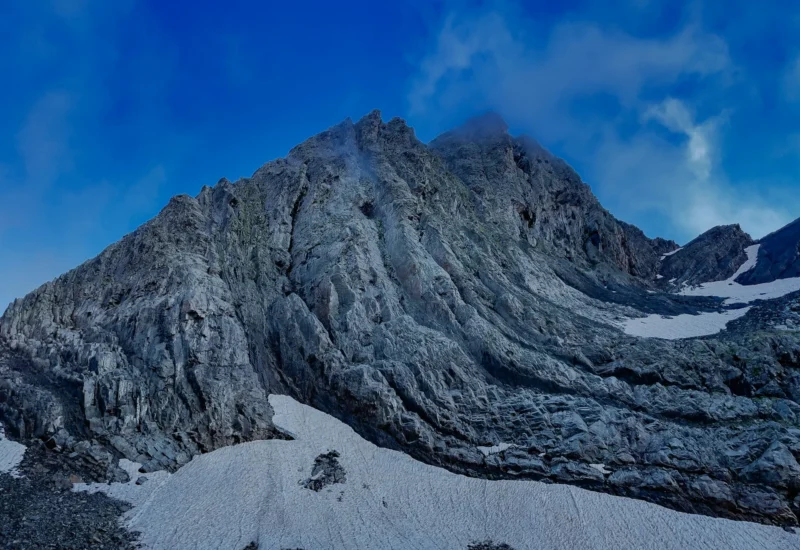 Racha Hiking
Distance 19 km point-to-point (Shovi to Glola) Duration 2 days (1 day possible from Glola only, for fast…
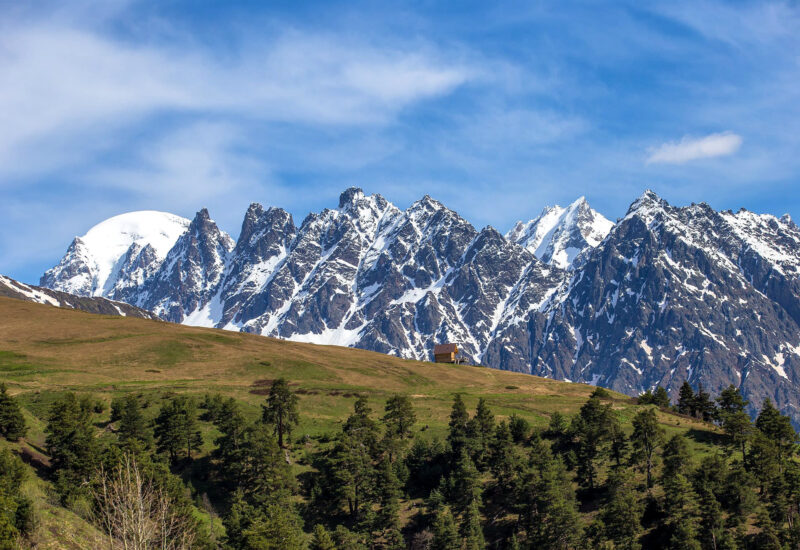 Svaneti Hiking
Trail at a glance Distance (full hike) ~14 km round trip from Mestia (~7 km each way) Elevation…
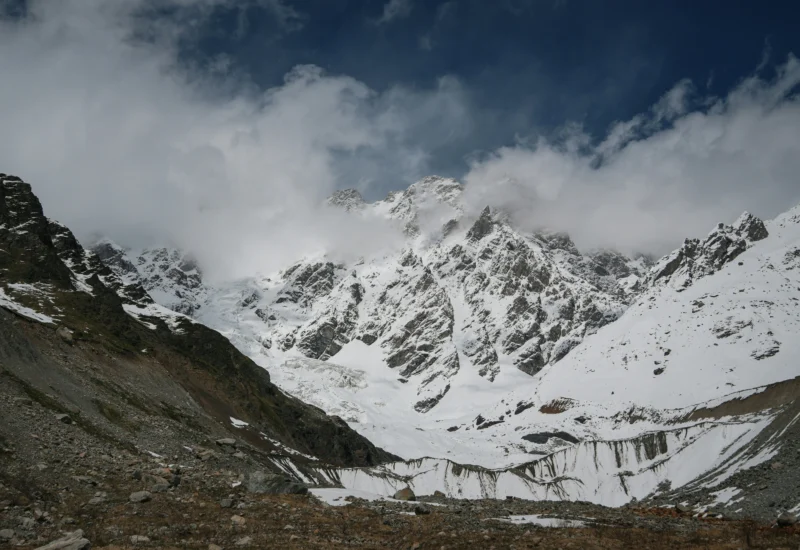 Svaneti Hiking
Trail at a glance Distance (from bridge) 6 km round trip (~3 km each way) Distance (from Mestia…
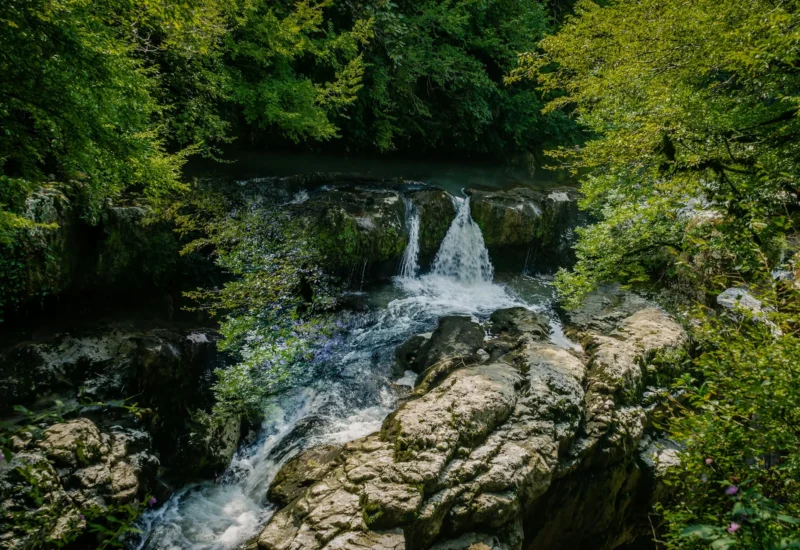 Samegrelo Hiking
Distance ~50–75 km (depending on route) Max elevation 2,900 m (Eastern Toba Pass) Lakes elevation 2,545–2,650 m Duration…
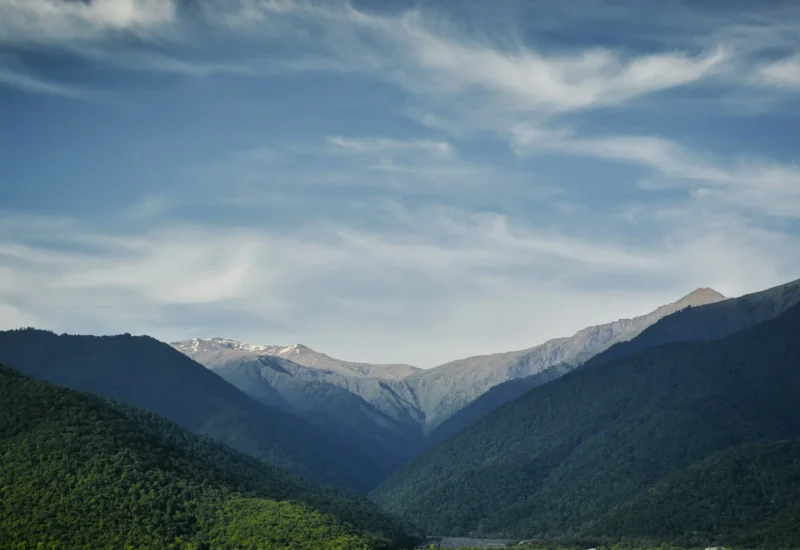 Kakheti Hiking
Total distance ~38–43 km (loop) Lake elevation ~2,780–2,800 m Max elevation ~2,950 m (Kochalo Ridge) Duration 3 days…
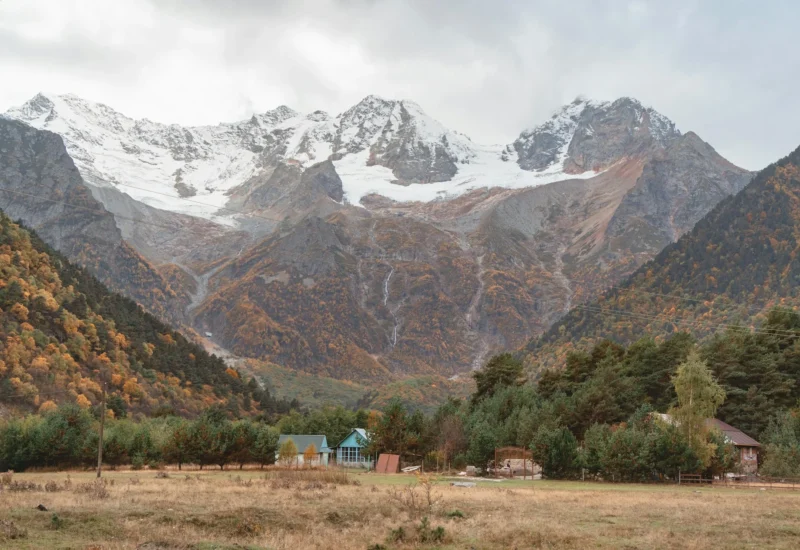 Svaneti Hiking
The hike to Shdugra Waterfall is one of those days you end up recommending to everyone you meet…
Frequently asked questions
When is the best time to go hiking in Georgia?
The main hiking season for high-altitude regions runs from late June through September, when mountain passes are reliably clear of snow. Lower-elevation trails in Kakheti and Racha open earlier and stay accessible longer. Weather in the Caucasus changes fast at any time of year — check conditions locally before setting off.
Do I need a guide to hike in Georgia?
Well-marked day hikes near villages can be done independently with a map or GPS app. For multi-day treks through remote regions like Tusheti or crossings between Svaneti villages, a local guide is strongly recommended — trails are often unmarked, river crossings can be unpredictable, and mobile signal is limited.
How difficult are Georgia's hiking trails?
Difficulty ranges widely, from easy valley walks to demanding multi-day treks over high passes. Read each trail guide before committing — most Caucasus routes involve steep sections and significant elevation gain, even the shorter ones.
Where do I sleep on multi-day treks?
On routes that pass through inhabited villages — such as Mestia to Ushguli — you can stay in family guesthouses along the way. On more remote treks that cross uninhabited terrain, camping is required, so you'll need to carry a tent and supplies.
Do I need permits to hike in Georgia?
Georgia doesn't require hiking permits for most trails. Some national parks ask visitors to register at the ranger station before starting a longer route — this is free and takes a few minutes.
What should I bring for hiking in the Caucasus?
Sturdy waterproof footwear, layers for temperature changes, a rain shell, sun protection, and enough water. For multi-day trips add a sleeping bag, headlamp, and any personal medication — resupply points in remote regions are limited.