
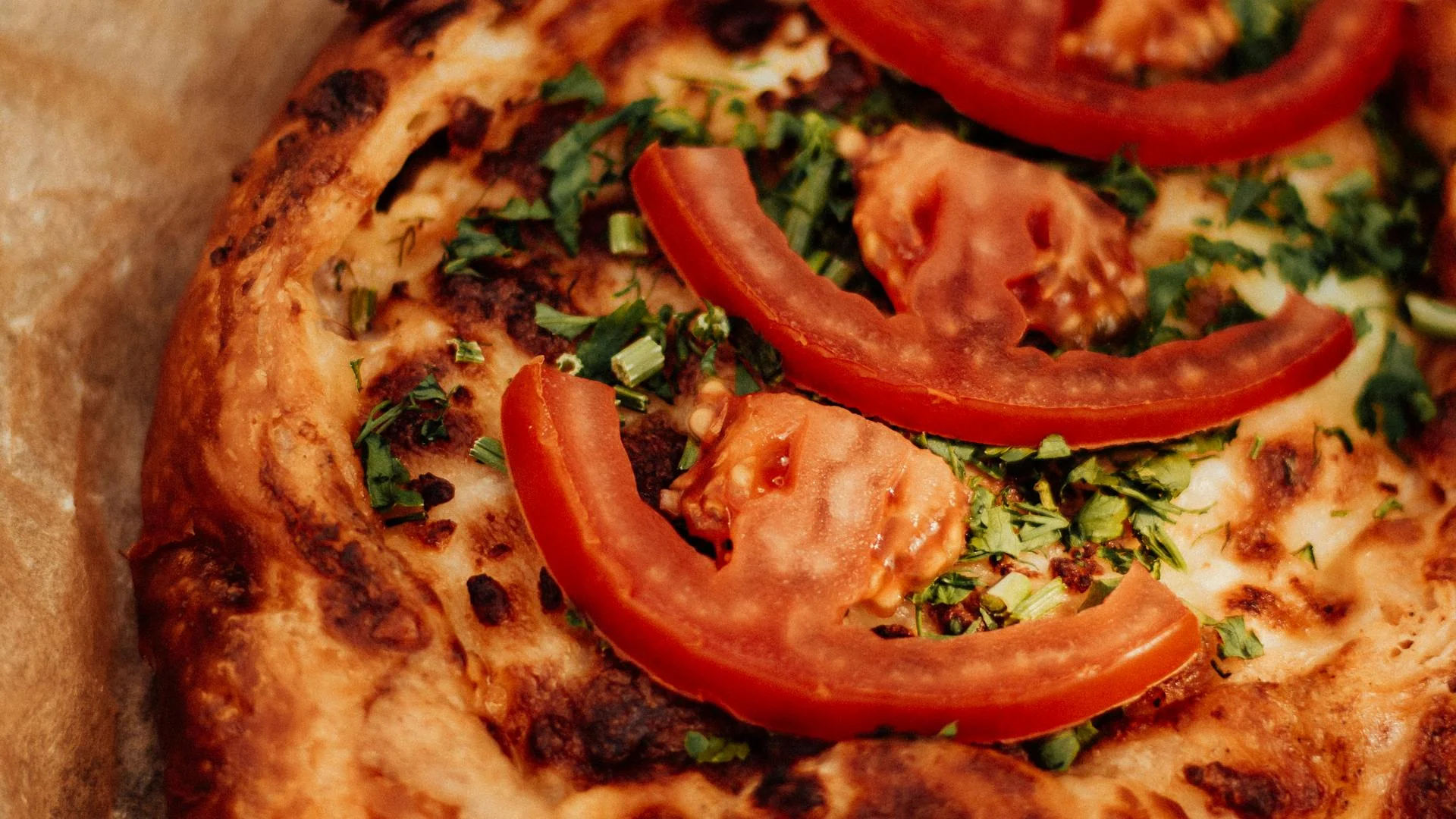
The food of Svaneti developed in isolation. For centuries, the mountains that made the Svan people difficult to conquer also made trade and supply chains unreliable. The cuisine that resulted is built around ingredients that could be produced, preserved, or foraged locally: meat, cheese, corn, potatoes, wild mushrooms, mountain herbs. Fat provides warmth. Carbohydrates fuel long days in high terrain. The flavour comes from Svan salt.
Svaneti food is not subtle. It is designed for people who have been working outdoors in cold weather. The most authentic version of any dish in this list comes from a guesthouse kitchen, not a restaurant. If you are trekking or staying overnight in Mestia, Ushguli, or the villages between them, arrange full board with your guesthouse — the food will almost certainly be better than anything you eat in town. For where to stay in Svaneti, see our accommodation guide. For the region’s trails, see the Svaneti hiking guide.
For the full picture of Georgian food by region, see our main food guide.
Svan Salt: What It Is and How to Use It
Svan salt — called სვანური მარილი in Georgian — is not a salt in the simple sense. It is a dry spice blend of coarse salt, dried coriander, dried dill, blue fenugreek, marigold powder, cumin, dried chili, and garlic. Every family in Svaneti makes their own version, adjusting proportions to taste and using whatever herbs were preserved from summer. It goes into kubdari, into marinades, into the fat from grilled meats, into the brine of mountain cheese.
In Mestia, the best places to buy it are from the stalls at the daily market near the central square, where older women sell their own household production. The quality is higher and the price lower than in tourist-facing souvenir shops.
| SVAN SALT RECIPE4 tbsp coarse salt · 2 tbsp dried ground coriander · 1 tbsp utskho suneli (blue fenugreek) · 1 tbsp dried dill · 1 tsp dried chili flakes · 1 tsp marigold powder (optional but traditional) · 1 tsp ground cumin · 1 tbsp dried garlic granules. Mix and store in a sealed jar. Use as a rub for grilled meat, mixed into kubdari filling, or stirred into butter and spread on fresh bread. |
Mestia: The Best Restaurants
Old House Hotel & Cafe
The most consistently recommended restaurant in Mestia for both food quality and atmosphere. Old House is a hotel-cafe with a terrace that looks across the town to the mountains. The kitchen serves kubdari, fetvraal, chvishtari, and a mushroom and tomato stew that is one of the better vegetarian options in the region. Cooking classes are offered on request. Budget 30–50 GEL per person. Worth booking ahead in high season (July–August).
| Location | Mestia town |
| Vibe | Best food and atmosphere in Mestia, kubdari, fetvraal, chvishtari, mountain terrace, cooking classes |
| Price | 30–50 GEL ($11–18) per person |
| Find it | Google Maps: Old House Mestia | reservation recommended in summer |
Cafe Laila
The most popular restaurant in Mestia by volume — located on the main square with both indoor and outdoor tables. Cafe Laila runs a full Svan menu alongside Georgian classics and hosts the Kviria folk ensemble most evenings from 8:30pm. The food — kubdari, tashmijabi, chvishtari, chkmeruli — is reliable if not exceptional. The place fills quickly on summer evenings and during ski season.
| Location | Mestia main square |
| Vibe | Most popular in Mestia, Kviria folk ensemble from 8:30pm, full Svan menu |
| Price | 25–40 GEL ($9–15) per person |
| Find it | Google Maps / Facebook: cafebarLaila.official | no reservation; arrive early |
Lushnu Qor Restaurant Beer Garden
On the eastern outskirts of Mestia, Lushnu Qor is an enclosed outdoor space — part garden, part covered terrace — with a more relaxed atmosphere than the main square restaurants. The kubdari here is consistently praised as among the best in Mestia: good meat-to-dough ratio, properly seasoned, hot when it arrives. Budget around 20–30 GEL per person.
| Location | Mestia, eastern outskirts |
| Vibe | Enclosed outdoor area, best kubdari in Mestia per many visitors, low prices |
| Price | 20–30 GEL ($7–11) per person |
| Find it | Google Maps: Lushnu Qor Mestia | walk-in |
Sunseti
Right in the town centre, Sunseti is the best alternative to Cafe Laila for an evening meal. The interior is decorated with years of accumulated visitor messages, flags, and photos. The fireplace is genuinely useful in autumn and spring. The chkmeruli — chicken in a milk and garlic sauce — is the standout dish here. Service is faster and more attentive than at Laila.
| Location | Mestia town centre |
| Vibe | Art-gallery interior, indoor fireplace, chkmeruli standout, faster service than Laila |
| Price | 25–40 GEL ($9–15) per person |
| Find it | Google Maps: Sunseti Mestia | walk-in |
Cafe Lanchvali
In the historic upper part of Mestia, a short uphill walk from the centre. Cafe Lanchvali is run by a young family who live nearby. The views from the terrace look across to a Svan tower and down the valley. Several visitors describe returning multiple times during a single stay in Mestia.
| Location | Mestia, historic upper town (10 min walk from centre) |
| Vibe | Young family-run, Svan tower views, Svanetian classics, loyal repeat visitors |
| Price | 20–35 GEL ($7–13) per person |
| Find it | Google Maps: Cafe Lanchvali Mestia |
Ushguli: Eating at the End of the Road
Ushguli has no restaurants in any conventional sense. The village — UNESCO-listed, 2,200 metres above sea level, a cluster of medieval towers at the head of the Enguri gorge — has a handful of small cafes and a growing number of guesthouses, all of which serve food. The rule here is simple: eat where you sleep.
Cafe Shumeri
In Zhibani, the highest of Ushguli’s four villages, Cafe Shumeri is a small family-run cafe with the best position in the cluster — views of Lamaria Church and Mount Shkhara from the tables outside. The menu is limited: Svan dishes, bread made fresh, local herb tea made from mountain flowers. The owner milks her cow and works the kitchen.
| Location | Ushguli — Zhibani village |
| Vibe | Small family cafe, best views in Ushguli, Svan dishes, mountain herb tea |
| Price | 20–30 GEL ($7–11) per person |
| Find it | Google Maps: Cafe Shumeri Ushguli | walk-in |
Guesthouse Kitchens on the Mestia–Ushguli Trek
The four-day trek between Mestia and Ushguli passes through Zhabeshi, Adishi, and Kheledula before reaching Ushguli. Guesthouses along each stage serve full board — breakfast and dinner included in the 60–80 GEL ($22–29) per night price. The food on this route is the most authentic Svan cooking available to visitors: produced in small quantities for the people staying that night, using ingredients from the family’s own stores. For the trail details, see the Svaneti hiking guide.
| TREKKING FOOD NOTEIf you are trekking the Mestia–Ushguli route, ask your guesthouse host the night before whether they can pack kubdari or chvishtari for the trail. Most will oblige. A piece of fresh kubdari and a thermos of tea covers lunch on any pass in Svaneti better than anything you can buy in Mestia before leaving. |
Svaneti Food Dictionary
- Kubdari: the signature dish — a flat bread pie filled with chopped meat (traditionally lamb and pork mixed), onion, garlic, and Svan salt. Eat it hot.
- Chvishtari: cornbread fried with aged local cheese inside. The cheese melts and pulls. Crispy exterior, soft centre.
- Tashmijabi: mashed potato cooked with a large quantity of shredded sulguni until the cheese melts and the whole thing becomes a dense, stretchy paste.
- Fetvraal: Svaneti’s version of khachapuri, made with a dough that contains millet flour. The cheese filling includes local mountain cheese.
- Kartoplaar: similar to fetvraal but with mashed potato added to the cheese filling.
- Mushroom kubdari: a lenten substitute that replaces meat with wild mushrooms.
- Chkmeruli: chicken cooked in a sauce of garlic, milk, and butter. Prepared particularly well at Sunseti.
Chacha and Drinks in Svaneti
Wine is not made in Svaneti — the altitude and climate make viticulture impractical. What visitors find at guesthouses instead is chacha (grape marc brandy from grapes brought up from the valley), apple vodka (a local Svan distillate made from pressed and fermented apples), and homemade fruit wines. None of these products have labels or alcohol content declarations.
Craft beer has arrived in Mestia: Svia, a Kakheti-based brewery, produces beers with rhododendron and acacia that are available at several restaurants in town.
Practical Notes
- Mestia restaurants are cash only with the exception of a few hotel-attached venues. Carry GEL.
- The only ATM in Mestia is in the town centre. It occasionally runs out of cash on busy weekends in summer. Withdraw enough in Zugdidi or Kutaisi before making the mountain drive.
- High season is July–August (hiking) and January–March (skiing). Restaurants fill quickly on these dates.
- Ushguli cafes and guesthouses are open May–October. The road from Mestia to Ushguli was fully paved in 2024, cutting journey time to 60–90 minutes.
Sources
- foodfuntravel.com — Svaneti cuisine and Mestia restaurants guide
- tripadvisor.com — Cafe Laila Mestia reviews
- tripadvisor.com — Lushnu Qor Restaurant Mestia reviews
- wanderlog.com — Best restaurants in Mestia
- wanderlog.com — Best restaurants in Upper Svaneti
- wander-lush.org — Ushguli Georgia travel guide
- ecovoyager.com — Ushguli complete travel guide
- thechaosdiaries.com — Things to do in Mestia
- wanderwithjo.com — Mestia travel guide
authenticgeorgia.guide | Food Guides